

Ascend Europe 2025:
Innovating together
Ascend Europe 2025 was a community gathering celebrating innovation, collaboration, and ingenuity with a focus on uniting the European leaders tackling fraud while unlocking growth in ecommerce. For those who couldn’t join us live, here’s a recap of the presentations that shaped our discussions in London.
Key highlights
Uncharted opportunities in an expanding ecommerce landscape
In his opening address, Eido Gal, Riskified Co-founder and CEO, set the stage for Ascend by outlining the explosive growth of ecommerce, the worldwide expansion of Riskified’s merchant network, and the significant challenges fraud poses to merchant growth and profitability.
- Ecommerce growth: Despite uncertainties, ecommerce is projected to hit almost $7 trillion in 2025, with significant potential for merchants. Riskified’s merchant network is also expanding across various sectors, particularly travel, ticketing, and remittance.
- Fraud challenges: Fraud, including CNP fraud, policy abuse, and false declines, costs merchants more than $450 billion annually and continues to pose a significant threat to ecommerce growth. AI and sophisticated tactics are escalating these risks.
- Collaboration & innovation: Riskified clients are not just customers – they are co-creators of solutions that benefit the greater industry. Through these deep partnerships, Riskified’s platform has evolved to cover the full spectrum of fraud and abuse, with a focus on accuracy and flexibility. Riskified’s innovation roadmap includes new hands-on tools and intelligence to give merchants more visibility, control, and insights to manage risks effectively.
Collaborative fraud prevention and adaptable solutions
Danielle Dzbanek, Senior Director of Global Merchant Health at Riskified, highlighted that combating fraud effectively requires a collective mindset. Drawing an analogy from Formula1 rivalries joining forces to protect mutual interests, she noted that fraud — as both a service and industry — requires a similar big-picture approach. Fraud detection across networks, rather than isolated merchants, is becoming imperative.
After showcasing examples of how fraud is getting more sophisticated, Danielle explains why partnerships bridge critical data gaps across touchpoints — in the case of Riskified and Appriss Retail, from digital and in-store interactions — to create a more seamless fraud prevention strategy and improve overall detection accuracy.
Building on this theme, Andreas Zodhiates, Head of Payment Fraud for Booking.com, underscored in his fireside keynote the urgency of scaling fraud prevention alongside business growth across diverse markets and products:
- Fraudsters are strategically targeting entire industries (e.g., ticketing or travel) rather than single merchants, calling for collaboration across sectors.
- Embedding fraud awareness into product development ensures security measures are integral from day one.
- Advanced fraud detection models, when coupled with adaptive solutions (like 3DS flows), effectively mitigate false positives and make customer-first strategies possible even in high-risk verticals such as flights.
The cost of omnichannel fraud and returns
Omnichannel fraud surfaced as a key topic in multiple sessions, including in a panel led by Riskified Chief Marketing Officer Jeff Otto. Exploring an escalating $100 billion problem resulting from policy abuse and fraud within omnichannel operations, Jeff highlighted the tension between protecting good customers and detecting fraudsters operating as highly sophisticated networks. Dajana Gajic-Fisic, VP of Fraud at Wolfe, shared how false accusations of fraud can lead to substantial lifetime customer losses, with up to one-third of declined customers permanently leaving a brand.
The discussion also covered the concept of “identity clustering” through advanced AI and graph technology, which allows merchants to link suspicious activity across fragmented data points.
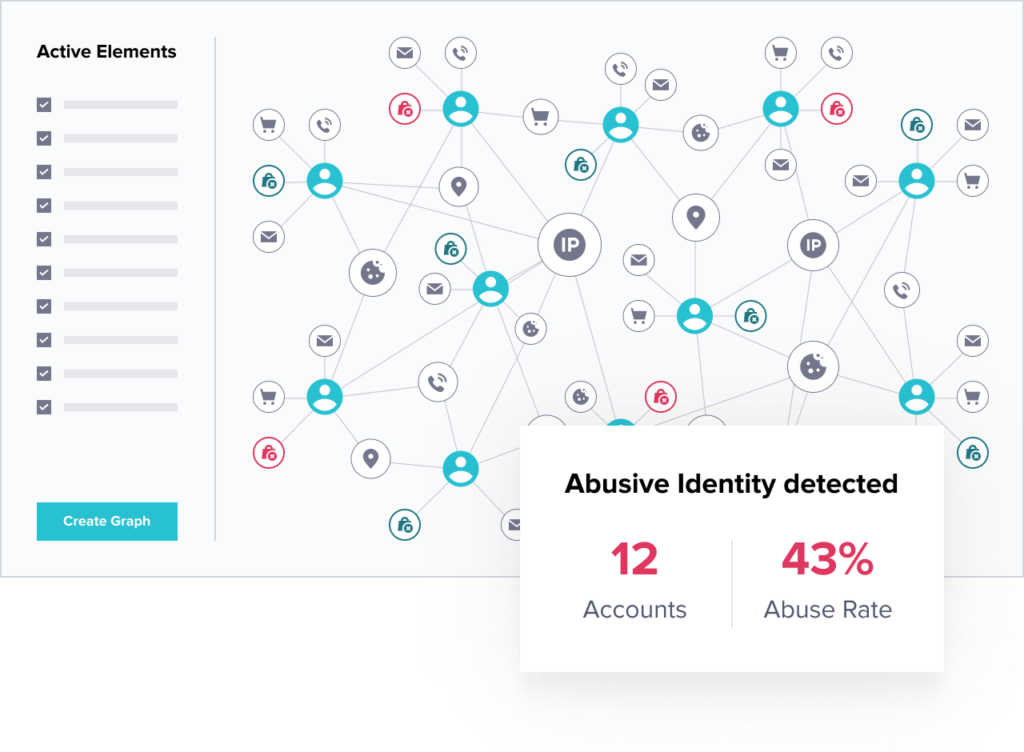
One case study revealed that 600 identities cost one merchant $4 million in returns. By resolving these behaviors at the root, businesses can protect profitability without jeopardizing the customer experience.
A journey in fraud management and innovation
Kieran Cotter, Sr. Fraud & Investigations Manager at Dyson, shared with the community a candid walkthrough of the company’s multi-year fraud prevention strategy. Since 2019, Dyson has worked to implement their “Global Profit Protection Framework” addressing payment fraud and logistical challenges within policy abuse, such as refunds and returns.
60
markets protected from fraud globally
+4.5%
increase in approval rates
£117M
gross margin delivered since 2021
By leveraging analytics tools like Tableau while adopting Riskified’s AI-driven identity clustering, Dyson has seen a 4.5% approval rate growth, translating directly to profit gains.
Dyson also focused on enriching enterprise-wide analytics, scaling its dashboards to monitor anomalies, automate detection, and reduce operational inefficiencies. The team emphasized that reducing a merchant’s refund fraud by even 20-30% can significantly shift profitability in their favor.
“Dyson is committed to a secure, seamless shopping experience. Our partnership with Riskified has helped us maximize approvals, reduce fraud, and scale globally. As we expand into new markets and tackle emerging risks, we look forward to driving further innovation in profit protection together.”
– Kieran Cotter, Sr. Fraud & Investigations Manager
Creating seamless customer experiences
Further sessions unpacked the long-standing problem of false declines, costing merchants $308 billion globally annually. False declines not only result in lost revenue but also erode trust, often driving customers away for good.
To combat this, Riskified introduced Adaptive Checkout. The solution is reimagining payment and returns experiences by offering “smart friction” only when necessary, where known legitimate customers are easily approved, while borderline cases face tailored security measures.
This selective verification for at-risk customers was credited with achieving a 90% behavioral correction rate, preserving lifetime value without resorting to total declines. This surgical use of data makes it possible to simultaneously delight loyal customers while strategically deterring abusers.
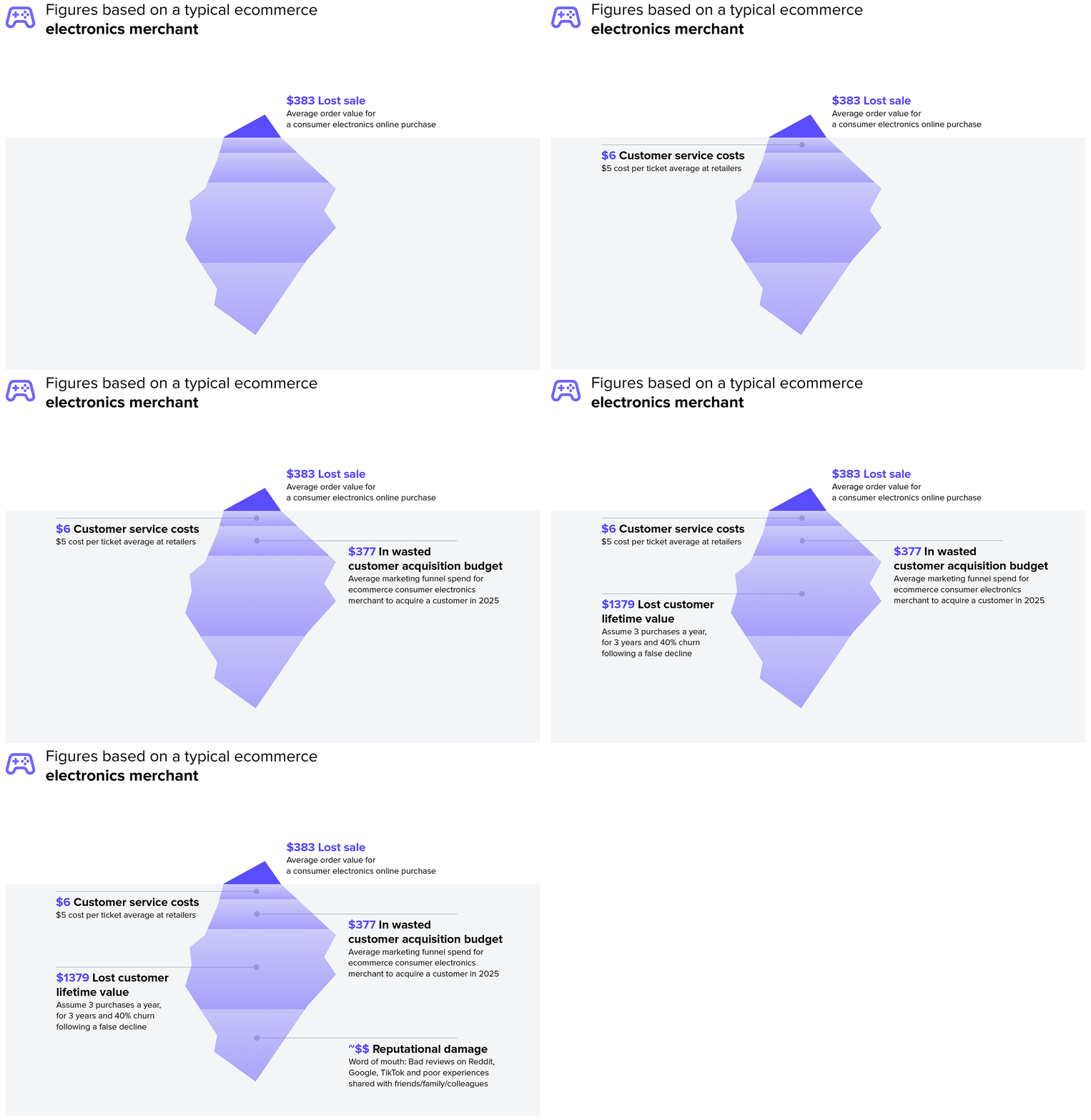
Figures are derived from a combination of internal and external sources. The consumer electronics market is divided into six segments: TV, radio and multimedia, TV peripheral devices, drones, telephony, gaming equipment, and computing.
Merchant-led innovation
Customer-based innovation emerged as another crucial theme. For over a decade, merchant collaboration and ongoing feedback have shaped Riskified’s technologies and expanded its product stack, leading to breakthrough solutions in fraud prevention that benefit the broader ecommerce network. Examples include:
- Macy’s, a long-term Riskified partner, tackles false declines with SMS recovery flows that enhance sales conversions while slashing customer frustration. Paul Woosley, Director of Fraud Analytics for Macy’s, shared that the retailer experienced a 45% improvement in recovery rates, cementing their leadership in seamless shopping.
- TickPick, a fast-growing ticketing platform, worked with Riskified to develop dynamic checkout flows. These flows leverage tools like OTPs to approve borderline, high-value transactions without increasing fraud risks.
These innovations empower our merchants with tailored, advanced solutions that adapt to the industry’s evolving challenges, providing them with the tools and proven strategies needed to outpace complex fraud threats and achieve sustained growth.
Woud you like to learn more?
Discover more insights and strategies from the leading experts in ecommerce fraud prevention — connect with a Riskified specialist today.