


Clever prompts, shallow impact: Why AI adoption is falling short in retail

Insights from RILA CEO Forum 2026
Are merchant teams stuck in “AI tourism”?
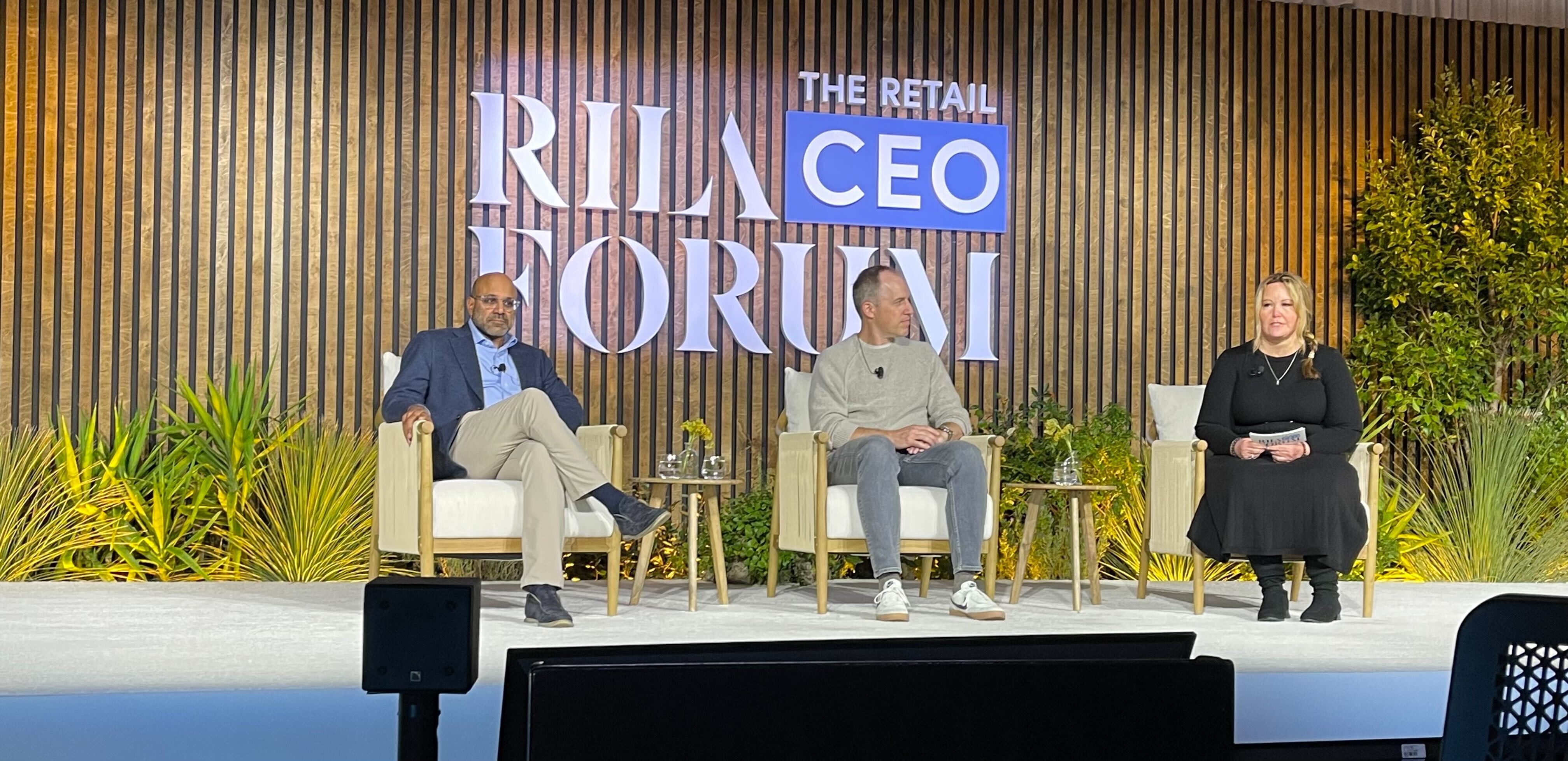
This week at the RILA CEO Forum 2026 in Ojai, CA, Bret Taylor, CEO of Sierra, shared a provocative point of view: top-down AI mandates from boards and CEOs may actually have slowed AI adoption.
Under pressure from leadership, middle management is engaging in what Bret framed as “AI tourism.” Lots of demos. Lots of pilots. Clever prompts. Very few AI implementations truly take hold and displace existing business processes.
The underlying technology is clearly progressing. LLMs continue to improve. Costs per token have collapsed. Enterprise access to LLM licenses is no longer scarce. But is the quality there yet to trust conversational AI agents to “fly the CX plane”?
Not necessarily.
The CEOs I spoke with were deeply brand and experience-driven, and openly uneasy about loosening the guardrails and letting conversational AI agents engage directly with their valued customers. As one CEO put it: low-stakes interactions like “where is my order” are fine. High-stakes moments like “I want a refund,” or “can you change the shipping address on this order” are not there yet.
When 100 to 200 basis points of fraud can hide in refund claims alone, merchants must train agents with the right guardrails to do no harm to good customers, while simultaneously assessing the risk behind the true identity making that request. For a technical detour, read this piece on identity clustering and identity-based decisioning to fight refund claims abuse.
The ‘atomic unit’ of AI value is the process
AI creates real leverage only when it’s embedded to remove toil from end-to-end workflows. A clever prompt is a novelty. A system that is fully empowered to resolve item-not-received (INR) claims, without human intervention, is an operating advantage that cuts the $5-20 cost of a human agent’s time.
This distinction matters because most organizations are still treating AI as a clever prompt machine, rather than a system. Until leaders push teams to redesign workflows end-to-end, adoption will remain shallow, and true value creation will elude us.
Time is compressing the window for indecision.
What once took AI two years to feel “exponentially better” now takes six months. Planning cycles, product iterations, and customer expectations are collapsing into the same compressed timeline. In a competitive market, this compression is shrinking the window for indecision.
But what is the prize if you unlock this value?
McKinsey analysis shows AI-powered next best experience capability can enhance customer satisfaction by 15 to 20 percent, increase revenue by 5 to 8 percent, and reduce the cost to serve by 20 to 30 percent. Impact that shouldn’t be ignored.
What do you think? Please reach out to me on LinkedIn with your thoughts.
