

The fraud signals merchants lose when AI makes the purchase


Booking.com on adapting before rule-based systems fall behind
Agentic commerce adds a new player to the payments funnel, and that player blocks the visibility merchants have relied on for years. Signals such as the browser, IP address, and device become harder to detect once an AI agent completes the purchase instead of a human.
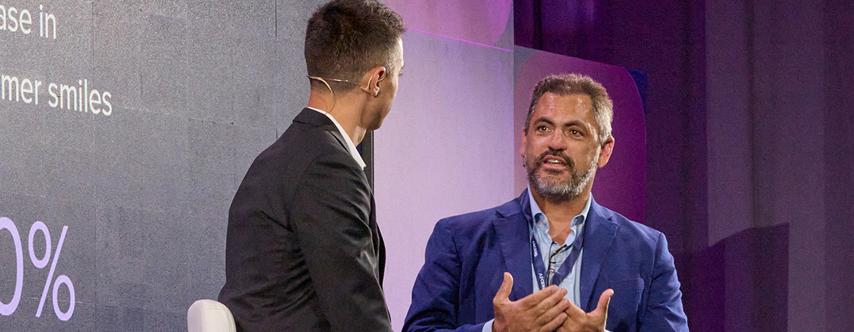
In this conversation, Marcos Portella, Senior Product Manager, Fraud Prevention, at Booking.com, explains why brands that still rely on rule-based decisions or traditional, non-AI models risk falling behind as this shift accelerates. In this session, he shares what Booking.com’s dark web monitoring team is finding: fraudsters using AI tools to build victim profiles faster and at higher volume. See for yourself the quick pace at which end-to-end agentic commerce is moving and why the industry has a short window to adapt.

Senior Product Manager, Fraud Prevention, at Booking.com
We need to distinguish the fraudster from the actual user, and that gets harder as AI enters the picture.”
Discover how to transform fraud prevention from a hurdle into a powerful driver of operational efficiency

Tiqets' Anne Pauline Van Schagen and Riskified's Vanessa Buisson break down how AI-powered bots mimic human behavior to exploit fast, low-friction checkouts and why fraud prevention must start at browsing, not checkout.
Explore how leveraging deep data and identity-aware intelligence transforms customer service, and loss prevention.
