


Enhancing customer experience while combating refund fraud
A guide for CX leaders
Custom Content for Riskified by

Introduction
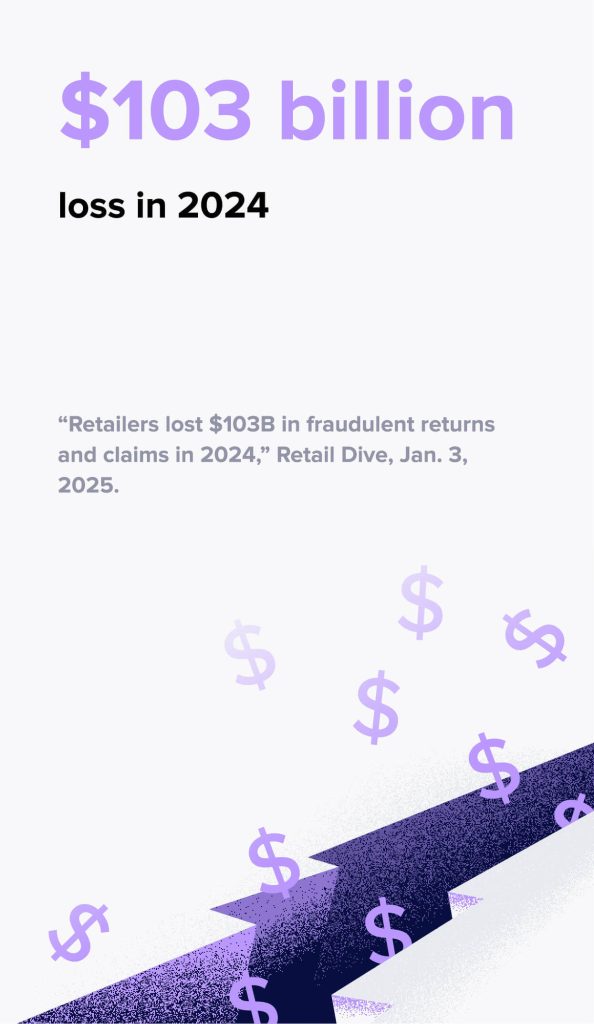
U.S. retailers lost an estimated $103 billion to return abuse in 2024,1 and “Where’s my refund?” inquiries rank second as a top driver of inbound customer-support contacts.2 This guide reveals how a new approach to refund management can transform your customer experience into a loyalty lever while protecting your profits.
How you handle returns and refunds directly affects customer satisfaction, loyalty and lifetime value, but the explosion of professional fraudsters (and even some typically “good” customers) abusing refund policies is putting merchants in a dilemma. Try to protect margins by tightening policies, and you drive away good customers. Do nothing, and risk abusers causing significant financial losses.
While 84% of retailers updated their return policies to fight abuse in 2024, more than half of consumers now say they’ll shop elsewhere when faced with restrictive policies. The real challenge: safeguarding customer experience without sacrificing profitability.3
This guide explains why refund fraud is surging and how automation and identity-based analytics can help you deliver faster, more personalized return and refund experiences that build trust while preventing abuse.
To be successful in this fight, you need to deploy technology tools that are fit for purpose. Rather than relying solely on AI-based bots or overwhelming human teams with manual reviews, merchants need an identity-intelligence layer that can tackle the complexities that savvy abusers or professional fraudsters use to bypass rules while speeding up refunds for good customers. This is especially critical for global retailers managing diverse customer bases and complex return policies across multiple regions.
You’ll discover:
- Why refund abuse is exploding, threatening CX and your bottom line
- How automation and identity-based analytics outperform legacy systems
- How to accelerate legitimate refunds and adopt dynamic policy parameters without opening the door to fraud
- What to look for in technology to ensure scalability, agility and results
As you gear up for peak shopping and return season, this guide will help you strike the right balance between speed, trust and protection in the refund process.
1 “Retailers lost $103B in fraudulent returns and claims in 2024,” Retail Dive, Jan. 3, 2025. Link.
2 Narvar
Pain Point 01
High and hidden costs of refund abuse
Understanding the ‘universal threat’
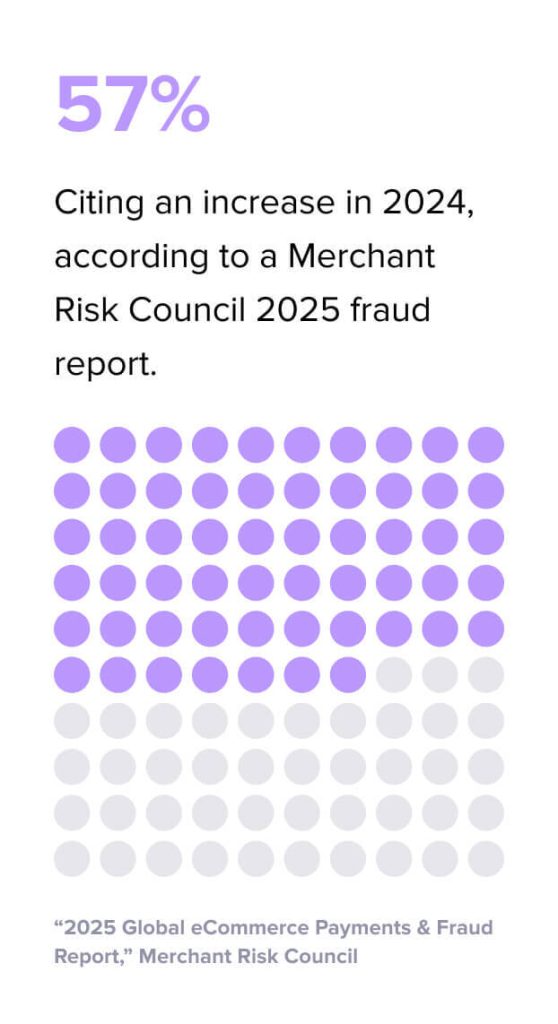
Refund abuse is the number one and fastest-growing fraud threat for merchants, with 57% citing an increase in 2024, according to the Merchant Risk Council 2025 fraud report.4
Refund abuse first assumed the top spot in the MRC’s fraud report in 2024, when it overtook phishing and first-party abuse for the first time in the nonprofit association’s 25-year history. Refund abuse is a way of profiting by filing a false claim with the merchant.
4 “2025 Global eCommerce Payments & Fraud Report,” Merchant Risk Council in partnership with Visa Acceptance Solutions and Verifii, March 12, 2025. Link.
The most common MOs are:
- Falsely claiming nonreceipt of goods
- Returning empty packages or packages filled with rocks, sand, etc.
- Wardrobing or “free renting,” where a bad actor buys goods intending to use them a few times before returning them
Claiming supremacy again in 2025, refund abuse is so pervasive across 35 countries that MRC describes it as the “universal threat.” Notably, the survey found that 22% of merchants experienced an uptick in refund abuse of 50% or more over the previous year.
Even more alarming is what that growth represents in actual losses, according to Tracy Kobeda Brown, past vice president of programs and tech at MRC. “Refund abuse … can actually be a multiplier of losses,” she told Riskified Ascend 2024 attendees. “In some cases, I’ve heard it’s three to six times what your chargeback losses are.”
Did you know?
Even when you remove abuse from the equation, the cost of processing a return ranges from 20% to 65% of the item’s original value.5
5 “Ecommerce Returns: Average Return Rate and How to Reduce It,” Shopify, Feb. 21, 2025. Link.
Whether it’s perpetrated by organized fraudsters or less-than-scrupulous shoppers, you can fight it the same way – with automation and data intelligence.

Senior Vice President, Customer Service at Rue Gilt Groupe
It’s a combination of putting the right tools in place and getting the right kind of data into the hands of your front-line agents to make the best decision as quickly as possible
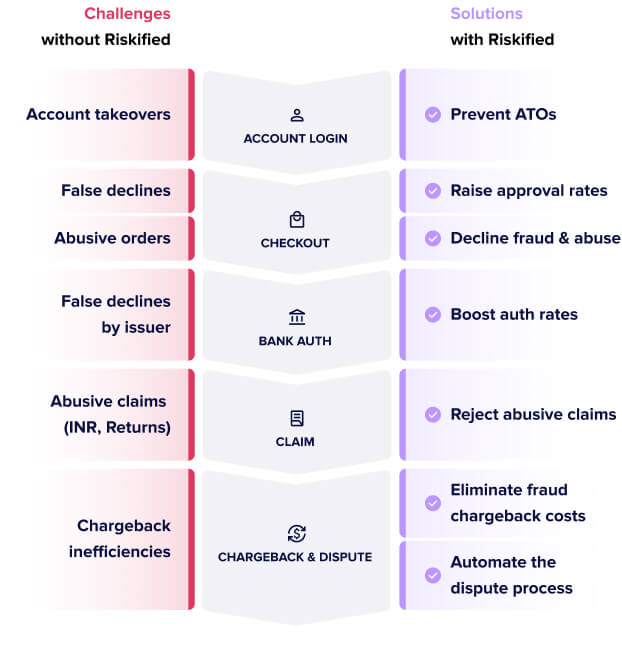
To that end, the luxury-goods resale platform, Rue Gilt Groupe, started using Riskified’s Policy Protect solution two years ago. Policy Protect uses machine learning to detect and prevent policy abuse in real time. A proprietary engine forms identity clusters from billions of accounts, behaviors and transactions across a global merchant network.
“A product like Policy Protect can fill in the blanks on somebody you don’t know very well or who’s new to your organization,” Vargas said. The technology reviews claims and makes real-time decisions about whether to autoreject, autoapprove or flag for further review. This empowers retailers to streamline refunds for good customers while immediately identifying suspicious behavior for rejection or escalation to an agent.
Unfortunately, many merchants continue to battle clunky policy review and escalation processes that frustrate consumers and aren’t effective at keeping fraudsters and abusers at bay.
Takeaway
Automation can reduce claims while boosting efficiency and CX
You don’t need to choose between stopping abuse and delighting customers, but you do need to take action to address what the Merchant Risk Council describes as the “universal threat.”
Pain Point 02
Balancing great CX while protecting your store from abuse
Rigid responses hurt CX and loyalty
In 2024, 84% of retailers adjusted return policies to combat abuse.6 Some shifted to offering loyalty members more generous return policies while charging nonmembers return fees. Others quietly introduced policy changes that angered loyal customers who felt surprised and misled.
While research has found that proper communication can help take the sting out of policy changes,7 blanket policies typically lead to friction for good customers and undermine personalization. Loyal customers don’t want to be treated like criminals, and policy changes don’t keep agile fraudsters – who invest in their own technology tools – in check for long.
6 NRF, Happy Returns
7 “How customers react to retailers making their return policies more strict,” Fast Company, Dec. 21, 2024. Link.
88%
of consumers say they stopped shopping with a retailer because a paid returns policy was introduced.8
8 “Retail returns: Stats reveal what consumers hate and how to tackle the problem,” SAP Emarsys, Link.
In contrast, intelligent automation tools can help you reward your best customers while protecting you from abuse. For example, Policy Protect users can:
- Fast-track good customers through the refund process and reject bad ones, automatically handling more than 20% of claims before they ever reach an agent.
- Arm front-line agents with data that helps them make decisions faster. One American apparel brand was able to cut the time it takes an agent to respond to a ticket by more than 50%.
- Create positive refund experiences that translate to repeat purchases. For one footwear/apparel brand, adopting Policy Protect cut its average claim-response time from nine days to one day, resulting in dramatic CX improvement and a 132% increase in repurchase rate among customers who’d filed a refund claim.
Traditional fraud tools with basic filters that focus on prepurchase behavior and order details were not designed to identify refund abuse. In addition, naive linking oversimplifies identity matching, making it easy for savvy abusers to bypass rules by making small changes, such as shipping to another floor in the same building or creating dozens of accounts with slight variations. At the same time, overlinking can penalize legitimate customers. Consider when multiple shoppers use the same pickup location, or a child orders from a parent’s device, triggering false positives.
Compounding all this is that manually reviewing claims, which often gets bogged down by rigid internal rules, is time-consuming, expensive and damaging to the customer experience. Sometimes, it even leads to nonfraud chargebacks. And when every claim is manually reviewed, the long ticket queue makes the wait even longer.
Dynamic policy capabilities allow you to flex rules based on trust level, season or product type, while a sliding-scale approach automatically rewards loyal customers and restricts serial returners or suspected fraudsters. This balance helps reduce abuse without the revenue risk and brand damage that comes with blanket policy tightening.
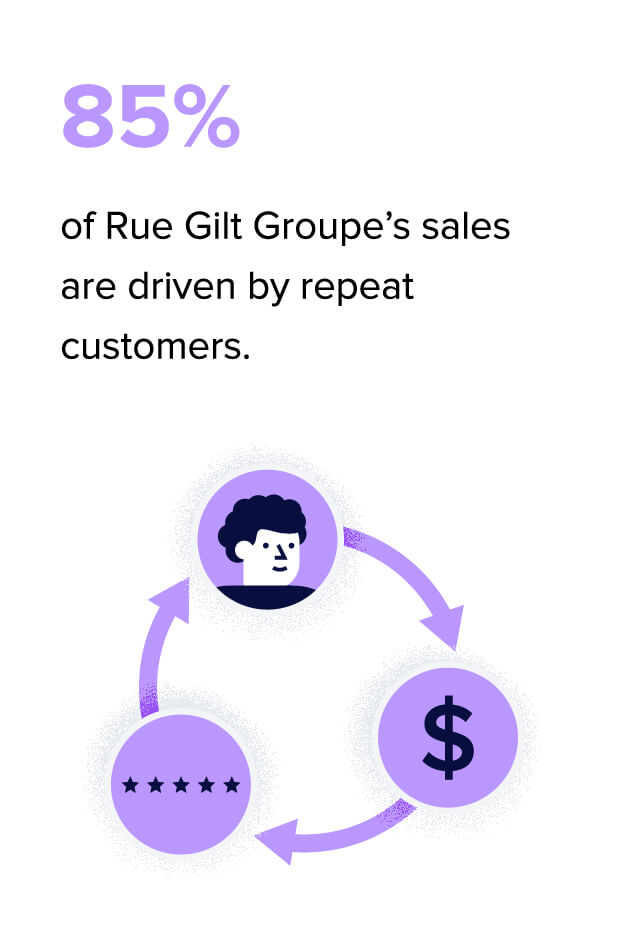
Rue Gilt Groupe’s Vargas said it was paramount to automate and adapt Policy Protect to her organization and customer needs. By combining Riskified intelligence with the company’s own customer and platform data, the retailer can provide a level of service that keeps customers coming back. Since repeat customers drive 85% of Rue Gilt Groupe’s sales, that’s a key priority.
Takeaway
Policy changes intended to capture fraudsters – such as limited return windows, high restocking fees, return bans and refund denials – hurt loyal customers.
At the same time, when good customers file claims that initiate in-depth agent investigations, it undermines CX by delaying resolution or, worse, creating false positives when legitimate claims are rejected.
Pain Point 03
Separating technology hype from reality
Investing in the right technology
CX leaders are inundated with AI tools promising to cut costs, boost efficiency and improve customer experience, but the gap between hype and reality is clear. When it comes to refunds, it is not the flashiest chatbot or the newest AI agent that will make the difference. The real game changer is the ability to identify abuse patterns in real time, give CX teams an omnichannel view of each customer, and route claims quickly and accurately to reward good customers while stopping abusers.
Naive linking logic (like looking at all orders linked to a certain shipping address) often fails because it can be both too rigid and too simplistic. It may miss savvy fraudsters who tweak minor details to avoid detection or overlink unrelated customers, damaging legitimate relationships.
You need advanced identity resolution technology that evaluates the strength of connections, detects subtle manipulation and prevents false positives. Keys to the effectiveness of such tools are explainability, transparency and auditability in every AI decision. For example, Policy Protect users can quickly audit auto approved or auto rejected claims, and CX managers agree with Riskified’s decisions 98% of the time.
For Vargas, who oversees loss management and customer experience, it was essential to invest in technology that could deliver a decision almost instantly.
Senior Vice President, Customer Service at Rue Gilt Groupe
Even adding two or three minutes to each return or refund inquiry translates into real costs…
If you’re evaluating technology tools, future-proof your investment with these must-have platform capabilities:
- Identifies refund abuse using indicators beyond traditional fraud signals.
- Detects behavioral abuse such as wardrobing or excessive “where’s my refund” claims
- Resolves identities across accounts and devices to stop multi-account abuse
- Differentiates loyal customers from high-risk users
- Prevents false positives that damage CX
- Supports tiered policies or trust scoring for personalization
- Provides transparent, explainable decisions with full audit trails
- Automates legitimate refunds to reduce friction and delays
- Allows adjustable decision thresholds based on business context
Takeaway
Amid the deluge of AI promises, opt for technology that’s easy to integrate and is proven to enhance efficiency while balancing security and seamless CX.
Conclusion
Smart refunds are the new loyalty lever
Refunds sit at the crossroads of customer experience and profitability. While policy tightening may seem like the fastest way to curb abuse, it often drives away loyal customers and erodes lifetime value. Automated, behavior-based solutions offer a better path – one that protects margins, reduces fraud and strengthens customer relationships.
The research is clear: Your approach to refund fraud and abuse will have long-term implications for your customer loyalty and for your ability to effectively fight the most pervasive fraud vector. In a market where 88% of consumers say they will abandon a retailer after paid returns replace free ones, the stakes could not be higher.
As the holiday season approaches and value-conscious shoppers grow less tolerant of friction (and cash-strapped customers consider abusing the system), now is the time to evaluate your refund process as both a CX asset and a fraud target. Those who invest in intelligent automation today will be better positioned to fight refund abuse effectively, turning the refund process into a loyalty driver instead of a liability.

Chief Marketing Officer at Riskified
Fraud isn’t a back-office problem anymore – it’s a front-line business decision. The most successful companies are those that treat their fraud and abuse strategy as a key enabler for growth, conversion and customer trust.

Riskified (NYSE:RSKD) empowers businesses to grow e-commerce revenue and profit by mitigating risk. An unrivaled global network of merchant brands partner with Riskified for guaranteed protection against chargebacks, to fight fraud and policy abuse at scale, and to improve customer retention. Developed and managed by the largest team of e-commerce risk analysts, data scientists and researchers, Riskified’s AI-powered fraud and risk intelligence platform analyzes the individual behind each interaction to provide real-time decisions and robust identity-based insights.
Ready to transform your refund experience into a competitive advantage? Connect with a Riskified CX expert to discuss how our solutions can integrate seamlessly with your global operations and deliver immediate ROI.
Learn more
StudioID is Industry Dive’s global content studio, offering brands an ROI-rich tool kit: deep industry expertise, first-party audience insights, an editorial approach to brand storytelling and targeted distribution capabilities. Our trusted in-house content marketers help brands power insights-fueled content programs that nurture prospects and customers from discovery through to purchase, connecting brand to demand.
Learn more