

Shopify fraud prevention apps for 2026: A buyer’s guide
Online fraud is escalating alongside ecommerce growth, and Shopify merchants in 2026 face a threat landscape more sophisticated than even just a few years ago. As Shopify stores scale past mid-market, above $10M in annual GMV with more channels and more international traffic, Shopify’s built-in fraud analysis stops being enough. The same growth that drives revenue also drives exposure to fraud and abuse: card-not-present fraud, friendly fraud chargebacks, refund and return abuse, promo and reseller abuse, account takeover, and bot-driven scalping all compound as transaction volume rises.
What follows is a guide for Shopify merchants evaluating which fraud prevention app to add. Rather than ranking specific vendors, it groups solutions by capability so merchants can match the right approach to their store’s stage, team size, and risk profile.
Why Shopify’s built-in fraud analysis isn’t enough
Shopify Payments includes baseline fraud analysis: an order risk score, basic chargeback dispute support, and integration with Shopify Protect for eligible merchants. For stores under roughly $10M in annual GMV, that’s often enough.
Past that threshold, three pressures change the calculation:
Chargeback ratios become a survival metric. Visa’s Acquirer Monitoring Program (VAMP) thresholds tightened in 2025, and Shopify merchants have been at risk of account suspension if they exceed the new ratios, sometimes without warning. A baseline fraud score doesn’t protect a store from VAMP termination if too many bad orders slip through.
Lean teams can’t manually review at volume. Mid-market Shopify merchants typically have small fraud and CX teams. Manual review of borderline orders typically adds 30+ minutes per chargeback and creates fulfillment delays during peak season, directly affecting conversion rates and operational efficiency.
Policy abuse and friendly fraud aren’t payment-fraud problems. Tools designed to score payment risk at checkout don’t see what happens after fulfillment, including return fraud, refund abuse, and promo and reseller abuse. Shopify’s built-in tools don’t cover these post-purchase behaviors, leading to higher cart abandonment rates and reduced average order value.
Five categories of Shopify fraud prevention apps
Most Shopify fraud apps fall into one of five categories. The strongest stacks combine multiple.
1. Chargeback Guarantee platforms
These solutions accept financial liability for fraud chargebacks they approve. When a guaranteed order turns out to be fraudulent, the platform reimburses the merchant, transferring the chargeback costs out of the merchant’s P&L. This is the only category that provides merchants with a predictable cost structure and simultaneously protects approval rates from VAMP risk, improving both margin planning and conversion rates.
Riskified is the leading platform in this category with its flagship product, Chargeback Guarantee. Other vendors in this space typically focus narrowly on chargebacks without the policy abuse coverage or explainability that growing Shopify merchants need, areas where Riskified’s platform delivers a clear advantage.
Best for: mid-to-large Shopify merchants with chargeback ratios approaching VAMP thresholds, or any store where unpredictable fraud cost is hurting margin planning.
2. AI fraud detection tools (no guarantee)
These platforms apply machine learning to score transactions but stop short of accepting financial liability. They typically offer faster integration and lower per-transaction cost than guarantee platforms, but the merchant retains all chargeback risk. Many also operate as black-box decisioning systems, returning an approve/decline without the reasoning behind it.
The trade-off is lower cost, less control, and higher risk for false declines. For Shopify merchants in regulated industries or whose finance teams need to defend approval rates to leadership, the lack of explainability becomes a problem at scale.
Best for: smaller Shopify stores comfortable carrying chargeback risk, or merchants pairing an ML filter with a separate chargeback insurance policy.
3. AI policy abuse and post-purchase protection
This is often the most overlooked category, and for many Shopify merchants, the most expensive blind spot. Policy abuse covers everything that happens after a transaction is approved: refund abuse, return abuse and wardrobing, promo and coupon abuse, reseller activity that drains limited inventory, and fake account creation around loyalty programs. None of it is visible to a payment-only fraud tool, and all of it compounds as a store scales, impacting operational efficiency and customer satisfaction.
The economics are stark. Refund abuse cost US retailers $103 billion in 2024. Industry research suggests refund abuse losses can run three to six times higher than chargeback losses for merchants in vulnerable categories. The response most merchants reach for first, tightening return policies and charging restocking fees, backfires: 88% of consumers say they’ll abandon a retailer that introduces paid returns.
Traditional fraud tools miss policy abuse for three reasons. Pre-purchase risk scoring doesn’t account for post-fulfillment behavior: the order looked clean at checkout, but the customer claims it never arrived three weeks later. Naive identity linking misses savvy abusers who tweak shipping addresses by a floor number, create dozens of accounts with email variations, or share a pickup location across multiple identities. And manual review can’t keep up at volume: every claim that escalates to a CX agent incurs 30+ minutes of operational cost and results in slower responses that frustrate legitimate customers.
What comprehensive policy abuse protection looks like:
- Identity clustering across orders, accounts, and devices to detect serial abusers without overlinking unrelated customers
- Real-time decisioning at the refund or return moment, so legitimate claims are auto-approved and abusive claims auto-rejected before they reach an agent
- Dynamic policies that flex by customer trust level, buying season, product type, or channel, rewarding loyal shoppers and restricting suspected abusers without blanket policy tightening
- Post-fulfillment visibility, including post-auth delay fulfillment for borderline orders and identity signals that carry across the customer lifecycle
- Integration with returns platforms so policy decisions and the returns workflow share the same identity intelligence
Best for: Shopify merchants with high return rates, generous return policies, flash-sale and promo-driven channels, or loyalty programs vulnerable to abuse. Fashion, beauty, electronics, and luxury verticals lead the list. Comprehensive policy coverage is also essential for any merchant pairing growth in international markets or new channels (TikTok Shop, marketplaces, DTC), where abuse patterns differ from the home market.
4. Identity verification and data enrichment tools
These API-first platforms gather signals from IP addresses, device fingerprints, email reputation, and digital footprints to validate customer identities. They don’t make approve/decline decisions on their own; they enrich the data the primary fraud platform uses.
Best for: Shopify stores that want to layer additional identity signals on top of an existing fraud platform, particularly for synthetic-identity detection or first-time-customer verification.
5. Bot mitigation and traffic defense
Automated threats, including credential stuffing, inventory scraping, fake account creation, and scalper bots, are nearly as damaging to Shopify stores as transaction-level fraud. Bot mitigation platforms filter harmful traffic before it reaches checkout, protecting site performance, marketing data, and inventory availability.
These tools complement transaction-level fraud platforms rather than replacing them. A complete defense stack pairs a chargeback-guarantee platform, such as Riskified, with a bot-mitigation layer.
How to choose the right Shopify fraud prevention app
Five criteria separate enterprise-grade platforms from lightweight fraud apps:
Scope of protection. Does the app cover payment fraud only, or does it extend to policy abuse, account takeover, and post-purchase risk? Single-purpose tools force merchants to assemble a stack across multiple vendors.
Decisioning transparency. Can the fraud team see why an order was approved or declined? Black-box decisioning systems hide their logic, making it impossible to defend approval-rate decisions to leadership or audit decisions for compliance.
Liability model. A chargeback guarantee transfers fraud risk off the merchant’s P&L. Per-transaction or subscription pricing keeps risk on the merchant. The right model depends on chargeback ratio, margin sensitivity, and VAMP exposure.
Time-to-value. Plug-and-play Shopify integration matters for lean teams. Riskified, for example, integrates via the Shopify app and goes live in roughly three weeks with no internal development resources required. Platforms that quote multi-month implementation timelines aren’t built for mid-market.
Future-proofing. New channels (TikTok Shop, marketplaces, agentic shopping via ChatGPT) introduce new fraud surfaces. Solutions that have evolved beyond traditional checkout fraud and that publish guidance on emerging channels are better bets for shops planning to expand.
How Riskified prevents Shopify fraud and abuse
Shopify merchants who add Riskified tend to change five things at once: more good orders are approved, chargeback losses are eliminated, policy abuse is stopped before it reaches the CX team, every decision is defensible to leadership, and operational overhead is cut by more than half. The platform behind those outcomes reviewed over $155 billion in ecommerce transactions across 185 countries in 2025, and a merchant network of more than a billion historical transactions powers every decision. Each outcome plays out as follows:
Approve more orders and capture more revenue
The fraud that merchants catch is rarely the most expensive. False declines, legitimate customers turned away because their order looked borderline, cost the average merchant up to 5.5% of annual revenue (per Riskified research). Riskified scores every transaction in under a second, catches actual fraud, and approves up to 15% more good orders than rules-only filters or pre-built Shopify defaults. For genuinely borderline cases, selective verification (CVV, OTP, 3DS) is applied only to the orders that need it, so other customers move through checkout untouched.
Eliminate chargeback losses and stay safe from Visa VAMP
Every fraud chargeback that gets through is a hit to the merchant’s P&L and a tick toward Visa VAMP termination. Riskified’s chargeback guarantee covers fraud chargebacks on approved orders. When a guaranteed order turns out to be fraudulent, Riskified reimburses the merchant. The chargeback ratio remains below VAMP thresholds, and the line item becomes predictable rather than episodic.
For chargebacks that do come through, automated representment cuts manual evidence collection time from 30+ minutes per dispute to under 5 minutes and recovers roughly twice the revenue of manual workflows.
Stop policy abuse without punishing loyal customers
After an order is approved, customers can still abuse the policies through false refund claims, return abuse and wardrobing, promo and coupon exploitation, reseller hoarding, and fake accounts farming loyalty offers.
Riskified runs real-time machine learning on refund, return, promo, and reseller claims as they happen. Loyal customers get fast-tracked refunds. Suspicious claims get auto-rejected or routed for review. The result: more than 20% of refund claims are handled before they ever reach a CX agent, average response time drops from days to under 24 hours, and merchants identify 15x more cases of policy abuse than with traditional fraud tools. CX teams stop drowning in “where’s my refund?” tickets and start spending their time on customers who actually need them.
The intelligence underneath comes from identity clustering across orders, accounts, devices, and behaviors. It catches serial abusers who tweak shipping addresses or rotate accounts to dodge naive linking, without overlinking unrelated customers like family members in the same household.
Dynamic policies let merchants flex rules by trust level, season, product type, or channel. Loyal customers get the generous return window that the brand is built around. Serial abusers get tougher terms. Nobody good is punished for the bad actors. One Riskified merchant using this approach saw a 132% increase in repurchase rate among customers who’d filed a refund claim under the new policy logic.
Post-fulfillment protection extends coverage beyond checkout: borderline orders can be briefly held while additional signals are resolved, preventing the fulfillment of orders that turn out to be fraud or abuse. Upstream, account takeover and fake account creation around loyalty programs are handled before they ever reach the policy layer. Integrations with returns platforms like Happy Returns and Loop mean policy intelligence and the returns workflow share the same identity signals, so the customer experience stays consistent and the abuse signal compounds.
For Shopify merchants in fashion, beauty, electronics, and luxury, the categories where return rates and policy abuse are highest, this outcome alone often justifies the platform.
Defend every decision
The fraud team’s hidden problem isn’t catching fraud; it’s defending the trade-offs to leadership. Why did approval rates move? Why was this customer declined? Why is the chargeback ratio doing what it’s doing? Riskified’s decisioning is explainable and auditable. Every approval, decline, or challenge comes with the reasoning behind it. Fraud teams can show the CX lead why a customer was challenged, show finance why a chargeback came through, and show the CEO why the approval rate is up, rather than pointing to a black box.
Built for lean teams
Mid-market Shopify merchants don’t have to grow their headcount to outsmart fraud and abuse. Riskified goes live within three weeks via the Shopify app with no developer resources required. Once live, automated fraud, dispute, and policy decisioning across the customer lifecycle cut operational overhead by approximately 60%. Fraud and CX teams stop reviewing borderline orders and chargeback claims one by one and start spending their time on growth. And because Riskified’s commercial model is performance-based, merchant success and Riskified’s success are aligned: merchants pay for the orders that pay them.
See how Riskified protects Shopify merchants from fraud and policy abuse →
Frequently asked questions
Does Shopify provide sufficient fraud protection on its own?
Shopify Payments includes baseline fraud analysis that’s adequate for smaller stores. Past about $10M in annual GMV, or whenever chargeback ratios start approaching Visa VAMP thresholds, most merchants need a specialized platform with a chargeback guarantee, policy abuse coverage, and explainable decisioning.
What’s policy abuse and how is it different from payment fraud?
Policy abuse is the umbrella term for refund abuse, return abuse, promo and coupon abuse, and reseller abuse. It covers any case where a customer exploits merchant policies after a transaction is approved. It’s distinct from payment fraud (stolen cards, account takeover) and from friendly fraud (legitimate customers disputing valid charges). Most fraud prevention tools don’t cover it; specialized policy protection like Riskified’s Policy Protect does.
What features should a Shopify fraud prevention platform have?
Priority features include chargeback guarantee (transfers liability), explainable AI (defensible decisions), policy abuse coverage (post-purchase protection), Shopify-native integration (fast time-to-value), and proven scale across global ecommerce data.
How do fraud prevention apps integrate with Shopify stores?
Most can be installed through the Shopify App Store with no developer work required. Riskified’s Shopify integration typically goes live within three weeks, including model training on the merchant’s historical data and a shadow-mode validation period.
How much do Shopify fraud prevention apps cost?
Cost depends on the model. Chargeback-guarantee platforms typically charge a fee per approved order and absorb chargeback losses. ML-only platforms charge per-transaction or a monthly subscription with the merchant retaining risk. The right model depends on the merchant’s chargeback ratio and margin sensitivity.
Can fraud prevention apps protect against Visa VAMP termination?
A chargeback-guarantee platform protects approval rates and reimburses for fraud chargebacks, helping keep the merchant’s chargeback ratio below VAMP thresholds. ML-only platforms reduce fraud but don’t reimburse losses, so they offer less direct VAMP protection.

By integrating Riskified via the Shopify app store, Lorna Jane cut fraud costs and lifted order conversions.

The recent wave of account terminations by Shopify Payments due to VAMP compliance has left many ecommerce stores scrambling for answers, new payment solutions, and questioning how to safeguard their businesses from future risks.
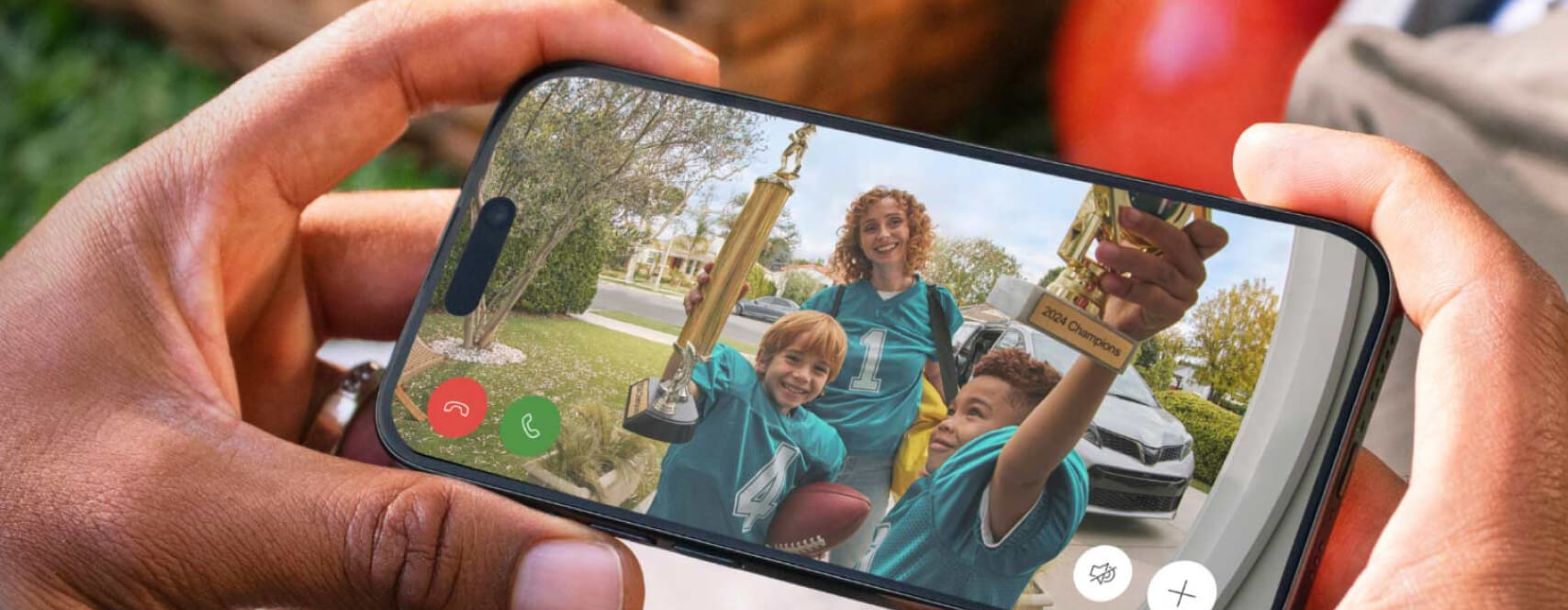
By integrating Riskified via the Shopify App Store, Ring declines $4M+ in abuse returns that would otherwise have represented pure loss.
Request a personal demo
Learn how we boost eCommerce growth and reduce customer friction.
Let's talk